Contact us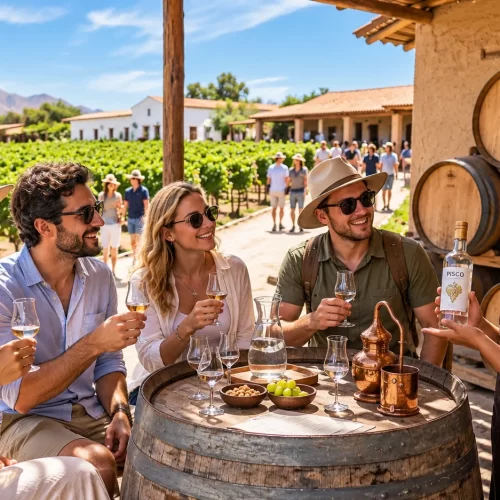
Three hundred kilometers south of Lima, where the scorched sands of the Pacific coastal desert meet fertile alluvial floodplains, lies an emerald corridor celebrated for over four centuries: the Ica Valley. Here, beneath an immaculate cloudless sky bathed in three hundred days of annual sunshine, grows the lifeblood of Peru’s national spirit. The Pisco Valley route in Ica is not merely a spirits trail; it is a pilgrimage through the deepest roots of viticulture in the Americas, where historic seventeenth-century haciendas, ancient mudbrick lagares, and copper alembics continue to produce one of the purest, most uncompromising grape distillates in the world.
Unlike modern industrial spirits that rely on neutral grain alcohol, artificial flavorings, and caramel colorants aged in oak barrels, authentic Peruvian pisco is defined by an almost monastic purity. Under Peru’s strict Denomination of Origin regulations, nothing—not even a drop of water—may be added to the distillate after it leaves the copper still. What reaches your crystal glass is the unadulterated soul of the grape: crystalline, aromatic, and carrying the unique terroir of sun-baked coastal clay, subterranean Andean meltwater, and cooling ocean breezes. For the discerning traveler, exploring the oldest distilleries in Peru offers a sensory journey through grand colonial architecture, private barrel-room tastings, and private performances of the legendary Peruvian Paso horse.
At Peruvian Luxe, we unlock the Pisco Valley through private, bespoke journeys. From intimate tastings with master distillers (maestros pisqueros) at historic estates founded in 1684 to private vineyard helicopter arrivals and pairing lunches prepared by renowned private chefs, we elevate the Pisco route into an unforgettable epicurean odyssey.
Ready to explore Peru’s premier wine and spirits valley? Connect with Peruvian Luxe on WhatsApp to curate your private Ica tasting journey.
The Terroir of the Ica Valley: Desert Sun, Andean Snowmelt & Ocean Mist
To understand why the Ica Valley produces distillates of peerless aroma and texture, one must examine its extraordinary geographical paradox. Located in one of the hyper-arid coastal deserts of South America, Ica receives virtually zero rainfall throughout the year. Yet running directly through this desert is the Ica River basin, fed by mineral-rich runoff descending from the glacial peaks of the western Andes.
This setting creates an agricultural microclimate found virtually nowhere else on Earth:
- Unfiltered Solar Radiation: Over 3,000 hours of radiant sunshine annually cause grapes to develop exceptionally high Brix (sugar) levels, providing the natural fuel for fermentation without the need for chaptalization or synthetic interventions.
- Dramatic Diurnal Temperature Shifts: During the day, temperatures climb into the mid-80s Fahrenheit (28°C–30°C), ripening the fruit. As evening falls, cold air descending from the Andes collides with maritime air masses pushed inland by the Humboldt Current, plunging nighttime temperatures into the 50s Fahrenheit (12°C–15°C). This rapid cooling locks in vibrant natural acidity and captures delicate volatile aromatic compounds in the grape skins.
- Deep Alluvial Clay and Sand Soils: Well-drained soils force vine roots to plunge up to fifteen meters deep in search of ancient subterranean aquifers, imbuing the fruit with subtle mineral complexity and salinity.
These ideal growing conditions caught the attention of Spanish conquistadors within decades of their arrival in the sixteenth century, transforming Ica into the undisputed cradle of South American viticulture.
The Sacred Rules of Pisco: Purity, Heritage & the Three Classifications
To the uninitiated, pisco is often equated with standard brandies or grappas. Yet to spirit connoisseurs and sommeliers, Peruvian pisco occupies a category entirely its own. Unlike French Cognac or American bourbon, which derive significant flavor, color, and tannin from years of interaction with toasted oak wood, Peruvian pisco is never aged in wood. It rests exclusively in neutral vessels—historically baked earthenware jars known as botijas, and today in neutral glass, ceramic, or stainless steel tanks—ensuring that every flavor note originates strictly from the vine and fermentation process.
The Strict Denomination of Origin (D.O.) Mandate
Recognized globally, the Denomination of Origin Pisco enforces laws that are among the strictest of any distilled spirit on Earth:
- Zero Added Water: Pisco must be distilled to proof. When the liquid drips from the copper condensing coil at the exact target alcohol level (typically between 38% and 48% ABV), it cannot be diluted with even a single drop of distilled water. Diluting with water is strictly illegal under the D.O.
- Zero Additives: Sugar, colorings, flavor enhancers, and wood chips are strictly forbidden.
- Single Distillation: Pisco is distilled only once in continuous copper pot stills (alembics) or direct-fire copper cauldrons (falcas), capturing the raw aromatics of the fresh wine.
The Eight Authorized Pisco Grapes
Under Peruvian law, only eight designated grape varieties (uvas pisqueras) may be cultivated to produce pisco. They are divided into two distinct stylistic families:
- Non-Aromatic Grapes: Quebranta (the king of pisco, an ancient mutation of the Spanish Misión grape), Mollar, Negra Criolla, and Uvina. These varieties produce robust, structured spirits with notes of warm hay, toasted almonds, dark raisins, and subtle citrus zest.
- Aromatic Grapes: Italia, Torontel, Moscatel, and Albilla. These grapes deliver astonishing floral complexity, overflowing with aromas of white jasmine, orange blossom, fresh lime leaf, lychee, and ripe peach.
The Three Styles of Pisco
When embarking on a luxury tasting along the Pisco Valley route, you will taste through three fundamental styles:
- Pisco Puro: Crafted from 100% of a single grape variety (predominantly Quebranta or Italia), expressing the pure, unblended terroir and varietal characteristics.
- Pisco Acholado: A sophisticated master blend combining two or more grape varieties, marrying the muscular structural depth of Quebranta with the perfumed elegance of Italia or Torontel.
- Pisco Mosto Verde (The Pinnacle): The crown jewel of the pisco world. In standard pisco, the grape must ferments completely dry before distillation. For Mosto Verde, distillation begins while the grape must is still actively fermenting and rich in residual sugar. Because unfermented sugars yield less alcohol, producing a single bottle of Mosto Verde requires nearly 10 to 12 kilograms of grapes—nearly double the fruit of a standard bottle. The result is an ultra-luxurious, velvety spirit of extraordinary creaminess, aromatic elegance, and a silky, lingering finish.
The Crown Jewels: Visiting Peru’s Oldest and Most Exclusive Distilleries
The Pisco Valley route encompasses a captivating spectrum of properties, ranging from four-hundred-year-old colonial estates complete with private chapels and equestrian stables to ultra-contemporary gravity-fed distilleries designed by world-renowned architects. Here are the premier estates that form the backbone of a Peruvian Luxe private itinerary.
1. Hacienda La Caravedo (Est. 1684) — The Oldest Working Distillery in the Americas
Founded in 1684 by Juan Facundo Caravedo, Hacienda La Caravedo holds the proud distinction of being the oldest continuously operating distillery in the Western Hemisphere. Nestled amid towering date palms and emerald vines, this magnificent property is the home of Pisco Portón, overseen by world-renowned Master Distiller Johnny Schuler.
What makes La Caravedo utterly unique is its brilliant architectural juxtaposition. Guests walk through the historic seventeenth-century stone lagar, where grapes were historically crushed by the bare feet of workers to sound of music, alongside ancient direct-fire copper falcas. Just steps away stands a multi-million-dollar, state-of-the-art gravity-fed eco-distillery where fresh grapes descend through pneumatic presses and temperature-controlled stainless steel fermentation tanks without mechanical pumping, preserving the delicate aromatics of the fruit.
A private visit here includes a VIP tour of the private barrel cellars, private tastings of limited-edition Mosto Verde reserves, and a gourmet multi-course lunch served in the hacienda’s colonial dining room or on the poolside veranda overlooking the estate’s private Peruvian Paso horse paddocks.
2. Bodega Tacama (Est. 1540s) — The Grand Dame of South American Viticulture
Established in the 1540s by Spanish colonist Francisco de Carabantes, Tacama is widely recognized as the oldest registered vineyard in South America. Spread across 250 hectares, the estate evokes the majesty of a grand European wine château translated into the vibrant colors of coastal Peru.
A private visit to Tacama begins at its iconic neo-mudéjar pink bell tower, offering panoramic views of the Andes and endless rows of Petit Verdot, Tannat, and Quebranta vines. Guests are guided through historic underground aging cellars dating back to the colonial era, followed by a reserved table at El Tambo de Tacama, the estate’s critically acclaimed vineyard restaurant. Here, refined regional fare is paired with Tacama’s flagship spirits, notably the acclaimed Demenio de Tacama line of single-varietal Mosto Verde piscos.
On select days, Peruvian Luxe arranges private exhibitions of Caballos de Paso—Peru’s national horse breed, famed for its smooth, lateral four-beat gait (paso llano) and proud spirit—dancing the traditional coastal Marinera accompanied by live brass and cajón percussion.
3. Bodega Ocucaje (Est. 1898) — Desert Elegance and Ancient Marine Terroir
Located thirty kilometers south of Ica in the desert basin of Ocucaje, this historic estate occupies land that millions of years ago formed an ancient prehistoric seabed, famous worldwide for fossilized whale skeletons and giant megalodon teeth. Established as a modern winery at the end of the nineteenth century by the Rubini family, Bodega Ocucaje produces some of Peru’s most decorated artisanal piscos.
The estate’s grand colonial manor house, shaded by giant carob trees (huarangos), houses cellars filled with massive French oak casks used for their heritage brandies, alongside glistening stainless steel alembics. Tastings here focus on their single-estate Fond de Cave and limited-batch Mosto Verde Torontel, celebrated for its delicate notes of white rose petals, lychee, and fresh mint.
4. Artisanal Heritage Distilleries: El Catador & Tres Generaciones
To complete the connoisseur’s education, Peruvian Luxe introduces guests to the world of artisanal pisquerías. Properties like Bodega El Catador and Bodega Tres Generaciones (directed by master fourth-generation distiller Juanita Martínez) preserve seventeenth-century techniques: wood-fired copper falcas and subterranean rows of clay botijas buried up to their necks in cool desert sand to regulate fermentation temperatures naturally. Tasting unaged, unfiltered pisco straight from a clay botija offers a direct sensory link to the methods of colonial winemakers.
Comparative Overview: Top Estates Along the Ica Pisco Trail
Each historic estate along the Pisco Valley route offers a distinct character, architectural pedigree, and tasting focus. The following curated guide highlights what makes each property exceptional for luxury travelers:
| Estate & Founding | Architectural Heritage | Specialty Spirits & Tastings | Signature Experience |
|---|---|---|---|
| Hacienda La Caravedo (Est. 1684) | 17th-century colonial hacienda paired with cutting-edge modern eco-distillery | Pisco Portón Mosto Verde (Quebranta, Torontel, Acholado); limited private reserves | Private Master Distiller tasting session, luxury hacienda pool cabanas, Paso horse shows |
| Bodega Tacama (Est. 1540s) | Grand Spanish colonial estate featuring iconic pink bell tower and manicured plazas | Demenio de Tacama Mosto Verde, Gran Demenio, estate-bottled Tannat and Petit Verdot | Private equestrian Marinera exhibition, VIP lunch at El Tambo vineyard restaurant |
| Bodega Ocucaje (Est. 1898) | Historic desert oasis hacienda surrounded by ancient fossil-rich valleys and olive groves | Ocucaje Fond de Cave, Mosto Verde Torontel, artisanal pisco brandies | Underground colonial cellar tours, tasting flights paired with regional artisanal cheeses |
| Tres Generaciones (Est. 1856) | Intimate artisanal family estate with original wood-fired copper falcas | Single-estate boutique Piscos Puros (Negra Criolla and Mollar), vintage botija distillates | Private masterclass with master distiller Juanita Martínez on ancient coastal methods |
The Connoisseur’s Tasting Protocol: How to Evaluate Ultra-Premium Pisco
Tasting fine pisco is an art form distinct from scotch, wine, or tequila. Because pisco is bottled at high natural proof (between 40% and 43% ABV) with zero wood aging to mask imperfections, evaluating it requires specific techniques to protect the palate while unlocking the distillate’s multifaceted aromatic profile.
Step 1: The Glassware & Visual Inspection
Fine pisco should never be served in a shot glass. It is best evaluated in a tulip-shaped pisco snifter or an ISO sensory analysis wine glass, which concentrates delicate aromatics while allowing volatile alcohol vapours to dissipate. Holding the glass against a white linen napkin, observe the spirit’s limpidity. Ultra-premium pisco should be crystalline, brilliant, and completely transparent, leaving viscous, slow-moving “tears” or “legs” (piernas) along the glass wall, indicating rich glycerol content and high natural grape concentration.
Step 2: The Olfactory Approach (The “Nose”)
Never swirl high-proof pisco vigorously and thrust your nose deep into the glass, as alcohol vapors will overwhelm your olfactory receptors. Instead, hold the glass approximately five to ten centimeters from your nose and inhale gently. Gradually bring the rim closer:
- For Quebranta: Look for subtle aromas of dried golden raisins, green banana, hay, roasted pecans, and fresh tobacco leaf.
- For Italia or Torontel: Prepare for an explosion of white flowers (jasmine, orange blossom), lime zest, ripe mango, and sweet Muscat grapes.
Step 3: The Palate (The “Beso”)
In Peru, the first sip of pisco is known as el beso—a gentle kiss. Take a minuscule drop onto the tip of your tongue to coat the palate and adjust your mouth to the alcohol proof. Then take a true sip, letting the liquid roll across your tongue without swallowing immediately.
Notice the sensation: high-quality pisco produces a warm, velvety sensation rather than a burning alcohol bite. A genuine Mosto Verde will coat the mouth with rich, unctuous texture, leaving an extraordinarily long finish that evolves over several minutes, echoing notes of sweet stone fruit, herbs, and warm spices.
Curated Itinerary: The Ultimate 2-Day Private Pisco Valley Route
To experience the Pisco Valley route with the leisurely sophistication it warrants, Peruvian Luxe recommends a dedicated two-day private journey combining wine culture, desert adventure, and world-class luxury accommodations.
Day 1: Colonial Grandeur, Viticulture & Equestrian Art
- 08:30 AM – Private Chauffeur Pickup: Depart your luxury oceanfront resort in Paracas (such as Hotel Paracas, a Luxury Collection Resort) in a private SUV, traveling through the shifting coastal desert toward Ica (approximately 1 hour).
- 10:00 AM – VIP Access at Bodega Tacama: Private greeting by the estate sommelier. Climb the historic bell tower, explore the 16th-century cellars, and enjoy an exclusive tasting of the Demenio collection.
- 12:30 PM – Private Marinera & Paso Horse Demonstration: Reserved front-row seating watching master riders guide Peruvian Paso horses through traditional dances to live music.
- 01:15 PM – Vineyard Lunch at El Tambo: Savor regional criollo delicacies, including slow-braised dry soup (sopa seca) with duck and carapulcra, accompanied by estate wines.
- 03:30 PM – Afternoon at Hacienda La Caravedo: Check in to the estate’s private boutique casitas or embark on a private tour with Master Distiller Johnny Schuler through both the 1684 colonial press and modern gravity distillery.
- 06:00 PM – Sunset Cocktails & Fire Pit: Enjoy bespoke Pisco Sours and botanical Chilcanos beside the vineyard fire pit as the desert sky fills with stars.
Day 2: Desert Marvels & Artisanal Distillation
- 08:30 AM – Champagne Breakfast: Breakfast overlooking the tranquil vineyards of La Caravedo.
- 10:00 AM – Artisanal Clay Botija Masterclass: Visit Bodega Tres Generaciones to observe traditional wood-fired falcas and sample raw pisco straight from historic clay botijas.
- 12:00 PM – Huacachina Desert Oasis Excursion: Private transfer to the nearby desert oasis of Huacachina. Ascend towering sand dunes in a private 4×4 dune buggy for breathtaking desert views or sandboarding.
- 02:00 PM – Gourmet Oasis Lunch: Enjoy fresh coastal seafood paired with chilled Torontel pisco cocktails overlooking the emerald lagoon.
- 04:30 PM – Scenic Return to Paracas or Lima: Return to your coastal resort or private flight transfer back to Lima.
Practical Advice for the Discerning Traveler: Timing, Climate & Pairings
Best Time of Year to Visit
While the Ica Valley enjoys sunny, pleasant weather year-round, the absolute peak season is during the annual grape harvest (La Vendimia), which takes place from late February through early April. During this period, the vineyards are heavy with ripe fruit, distillation operations run around the clock, and the valley erupts in lively folkloric celebrations, traditional grape-stomping festivities, and cultural events.
For travellers preferring tranquil, private experiences without festival crowds, the winter months from May through November offer cooler daytime temperatures (72°F to 78°F / 22°C to 25°C), immaculate blue skies, and intimate cellar access.
Combining Ica with Paracas and Nazca
The Pisco Valley route is the epicurean anchor of Peru’s southern coastal circuit. We recommend pairing your Ica vineyard journey with private marine safaris in the Paracas National Reserve and the Ballestas Islands, followed by an exclusive private charter flight over the mysterious ancient geoglyphs of Nazca.
Whether traveling as part of a grand South American expedition or a weekend getaway from Lima, exploring the historic distilleries of Ica unveils a sophisticated facet of Peruvian heritage that few international travelers ever experience.
Frequently Asked Questions About the Pisco Valley Route in Ica
What is the Pisco Valley Route in Ica?
The Pisco Valley Route is an exclusive wine and spirits trail located in the Ica Valley, approximately four hours south of Lima. It guides travelers through the oldest registered vineyards and historic pisco distilleries in the Americas, including 17th-century estates like Hacienda La Caravedo and 16th-century properties like Bodega Tacama. Visitors explore ancient cellars, witness distillation in copper alembics, taste ultra-premium single-estate piscos, and experience private Peruvian Paso horse exhibitions.
What makes Peruvian Pisco different from other brandies or grappas?
Unlike European brandies, French Cognac, or Italian grappa, authentic Peruvian pisco is strictly regulated under Denomination of Origin laws that prohibit adding water after distillation. It is distilled once to proof in copper pot stills or falcas and is never aged in wooden barrels, ensuring zero tannins or oak flavor. The spirit rests solely in neutral containers (such as glass, stainless steel, or traditional clay botijas), capturing the 100% natural aroma and terroir of fresh fermented grape juice.
What is Mosto Verde Pisco, and why is it considered the most luxurious?
Mosto Verde is the rarest and most prestigious category of pisco. Unlike standard pisco, where grape must is fermented completely dry before distillation, Mosto Verde is distilled while the must is still actively fermenting and rich in natural unfermented sugars. Because less alcohol is produced per batch, crafting a single bottle requires between 10 and 12 kilograms of grapes (compared to 6 to 7 kg for standard pisco). The result is an exceptionally velvety, unctuous spirit with intense floral aromatics and a silky, lingering palate.
Which is the oldest distillery in the Americas?
Hacienda La Caravedo, located in the Ica Valley, is officially documented as the oldest continuously operating distillery in the Americas, founded in 1684. Today, it produces the world-renowned Pisco Portón and seamlessly combines seventeenth-century mudbrick lagares and direct-fire copper falcas with a state-of-the-art gravity-fed eco-distillery.
What are the eight authorized grapes used to make Pisco?
Under Peruvian law, only eight grape varieties may be used to produce pisco. They are divided into Non-Aromatic varieties (Quebranta, Negra Criolla, Mollar, and Uvina) which provide structure, body, and notes of dried fruit and nuts, and Aromatic varieties (Italia, Torontel, Moscatel, and Albilla) which contribute dazzling perfumes of jasmine, citrus blossoms, lychee, and fresh stone fruit.
When is the best time of year to visit the Ica pisco vineyards?
The most vibrant time to visit is during the annual grape harvest (Vendimia), between late February and early April, when vineyards are laden with fruit, active grape stomping occurs in colonial lagares, and distillation is in full swing. However, the Ica Valley enjoys pleasant, sunny weather year-round, and the cooler winter months from May through November offer tranquil, crowd-free private cellar tours.
How far is Ica from Lima, and what is the best luxury transport option?
Ica is located approximately 300 kilometers (186 miles) south of Lima, taking about 4 to 4.5 hours by road along the modern South Pan-American Highway. Peruvian Luxe provides private chauffeured luxury SUVs with professional drivers. Alternatively, guests can charter private helicopters or light aircraft directly from Lima to Pisco or Ica, reducing transit time to under 50 minutes.
Can I stay overnight at a vineyard in Ica?
Yes. Several historic properties offer luxurious accommodations. Hacienda La Caravedo features exclusive boutique casitas with private verandas overlooking the vineyards, luxury pool pavilions, and private dining rooms. Additionally, many travelers choose to base themselves at luxury seaside resorts in nearby Paracas (such as Hotel Paracas, a Luxury Collection Resort, 50 minutes away) and explore the Ica Valley via private day excursions.
What is the proper way to taste fine Pisco?
Fine pisco should be served at room temperature in a tulip-shaped pisco snifter or ISO wine glass rather than a shot glass. Avoid swirling aggressively, as high proof vapors can numb your sense of smell. Take gentle sniffs to detect subtle floral, citrus, and dried-fruit notes. For the palate, take a tiny initial sip (“el beso”) to prime your mouth, followed by a full sip to appreciate the velvety texture, warmth without harshness, and prolonged aromatic finish.
How does Peruvian Luxe customize a private Pisco Valley tour?
Peruvian Luxe designs completely bespoke, private tasting experiences. We coordinate VIP access to private colonial cellars, one-on-one tastings with Master Distillers, private Peruvian Paso equestrian performances with live Marinera music, gourmet multi-course vineyard lunches paired with rare Mosto Verde vintages, and seamless luxury transport from Lima or Paracas.
Savor the Essence of Peru with Peruvian Luxe
The desert sands of Ica hold four centuries of liquid poetry. From the sun-warmed clay of ancient botijas to the whisper of copper stills and the thunder of Peruvian Paso hooves beside the vines, the Pisco Valley offers an encounter with Peruvian culture that is sophisticated, deeply historical, and exquisitely flavorful.
At Peruvian Luxe, our bespoke itineraries ensure you experience the Ica Valley in unmatched luxury. Whether arriving by private air charter, dining privately among the vines, or tasting rare single-vintage piscos guided by master distillers, every moment is crafted to the highest standard of excellence.
Contact our private travel specialists today. Connect with Peruvian Luxe on WhatsApp and let us craft your private Pisco Valley tasting route.