Contact us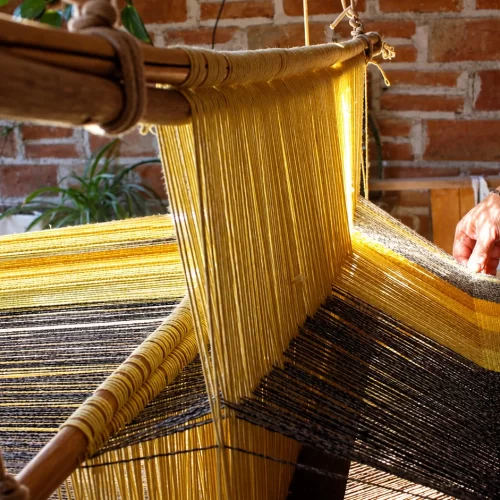
Few moments in travel are as quietly transformative as running your fingers across a genuine vicuña shawl for the first time. The fiber—impossibly fine, warm without weight, with a subtle golden shimmer that no dye can replicate—tells a story spanning millennia. Long before the Inca Empire adorned its rulers in cloth reserved for royalty, the high Andean communities of Peru had mastered the art of working with the world’s most extraordinary natural fibers. Today, that living tradition continues in the boutiques of Cusco and Lima, in remote highland villages, and on the looms of master weavers whose knowledge has been passed down through generations.
Yet the luxury textile market in Peru is also one of its most misunderstood. Across Andean tourist markets, labels reading “100% Baby Alpaca” hang from garments that may contain little—or no—real alpaca fiber at all. At the higher end, “vicuña” claims circulate without the rigorous documentation that genuine products require. For the discerning traveler, knowing how to navigate this landscape is not merely a shopping skill; it is a form of cultural respect and a way to ensure your investment supports the artisans, communities, and conservation efforts that make these fibers possible.
This guide gives you everything you need: the science of fiber grades and micron counts, a practical identification checklist, price benchmarks, the certifications that guarantee authenticity, and the best trusted boutiques in Peru where luxury and integrity meet. When you are ready to plan a journey that includes authentic textile experiences curated by specialists who know Peru deeply, the team at Peruvian Luxe is here to help you.
Ready to bring home a piece of Andean heritage that is truly genuine? Contact Peruvian Luxe on WhatsApp and let us guide you to the finest textile experiences in Peru.
The Andean Fiber Hierarchy: Understanding What You Are Buying
Peru is home to four camelids: the alpaca, the llama, the vicuña, and the guanaco. Of these, only the alpaca and the vicuña produce fiber of significant commercial and luxury value. Understanding the differences between them—and the grades within each category—is the foundation of any informed purchase.
Vicuña: The World’s Most Precious Fiber
The vicuña (Vicugna vicugna) is a wild, shy animal that roams the high puna grasslands of the Andes, primarily above 3,500 meters. It cannot be domesticated, cannot be farmed in conventional enclosures, and yields only approximately 200 to 250 grams of usable fiber per animal—and only once every two to three years. These biological constraints, combined with the fact that vicuñas are a protected species under both Peruvian law and international CITES (Convention on International Trade in Endangered Species) regulations, make their fiber astronomically scarce.
In terms of physical characteristics, vicuña fiber is unmatched in the natural world. It measures between 12 and 13 microns in diameter—finer than the best cashmere (14.5–15.5+ microns), finer than baby alpaca, and finer than any other commercially available animal fiber. This extreme fineness gives vicuña cloth a quality that textile specialists describe as “weightless warmth”: a garment that insulates the body against Andean cold without any of the bulk or pressure associated with heavier wools. The natural color of vicuña fiber is a distinctive warm golden-cinnamon with a creamy white underside—a color so characteristic that truly authentic products are rarely dyed, preserving the fiber’s integrity and the animal’s natural palette.
Alpaca Fiber Grades: From Royal to Standard
Alpacas are domesticated animals and Peru is the world’s leading producer, home to approximately 87% of the global alpaca population. While alpaca is often discussed as a single category, it is in fact graded by fineness according to precise technical standards (Peruvian Technical Standard NTP 231.301), and these grades carry significant differences in softness, rarity, and price.
| Grade | Micron Range (µm) | Characteristics and Best Uses |
|---|---|---|
| Royal Alpaca | Under 19 µm | The rarest and finest alpaca grade; extremely soft, limited production, used in ultra-premium garments |
| Baby Alpaca | 19–22.9 µm | Premium grade; very soft, hypoallergenic, ideal for sweaters, scarves, and wraps |
| Superfine Alpaca | 22–26 µm | High quality; good balance of softness and durability for knitwear and blankets |
| Fine / Adult Alpaca | 26+ µm | More robust; suited for outerwear, heavy blankets, and rugs |
Important note on terminology: “Baby Alpaca” refers to a fiber grade defined by its micron diameter, not the age of the animal. Adult alpacas with superior genetics can produce baby-grade fiber. Similarly, Royal Alpaca is not a breed name but a quality designation for the finest clips—the top tier of the world’s finest domesticated fiber.
Huacaya vs. Suri: The Two Alpaca Breeds
Beyond grade, alpaca fiber is also distinguished by breed:
- Huacaya (approx. 90% of Peru’s alpaca population): Produces fluffy, dense, crimped fiber with excellent loft and elasticity. Ideal for cozy, warm knitwear—sweaters, scarves, and hats.
- Suri (approx. 10% of Peru’s alpaca population): Produces long, straight, silky locks with a beautiful drape and high luster. Preferred for luxury shawls, wraps, and high-end fashion garments where sheen and fluid movement are paramount.
Suri fiber is rarer and, at equivalent grades, commands a premium over Huacaya. A genuine Suri baby alpaca shawl from a reputable Peruvian boutique represents an exceptional combination of rarity, craftsmanship, and tactile luxury.
The Chaccu: The Ancient Ceremony Behind Every Authentic Vicuña Garment
To understand why genuine vicuña is so rare—and why every certified garment carries such significant ethical weight—it is essential to understand the Chaccu (also spelled Chaku): the ancestral Andean ceremony through which vicuña fiber is harvested.
Originating in the Inca period, the Chaccu is a communal event in which entire Andean communities form a vast human chain across the high puna, gently herding wild vicuñas toward a temporary corral. The animals are captured, examined by veterinarians and SERFOR-authorized technicians, shorn using humane methods, and then released unharmed back into the wild. The ceremony is as much a cultural celebration as a harvest—a reaffirmation of the ancient reciprocal relationship between Andean people and the natural world.
Under the regulatory framework enforced by Peru’s SERFOR (Servicio Nacional Forestal y de Fauna Silvestre), communities must hold a formal Declaracion de Manejo (DEMA) permit to conduct a Chaccu. Shearing is permitted only during authorized periods, following strict technical standards for animal welfare, fiber quality, and environmental impact. The resulting fiber enters a fully traceable supply chain, with each step documented to ensure that what ends up in a boutique in Miraflores can be traced back to a specific community’s legally conducted harvest.
This legal, community-based model has proven to be one of conservation’s most successful stories in South America. In the 1960s, vicuña populations had been decimated by poaching to fewer than 6,000 animals across all Andean countries. Today, Peru’s vicuña population exceeds 200,000—a recovery directly linked to giving communities an economic stake in the animal’s survival.
How to Identify Authentic Vicuña and Baby Alpaca: A Practical Buyer’s Checklist
The single greatest threat facing buyers of Andean textiles is mislabeling—whether deliberate fraud (acrylic garments sold as alpaca) or gray-market ambiguity (low-grade alpaca sold as baby alpaca, or blended fibers sold as pure vicuña). The following checklist provides concrete, evidence-based methods for verification.
Identifying Authentic Vicuña
- Demand CITES documentation. All legal international trade in vicuña fiber and finished products requires CITES certification. A reputable retailer selling genuine vicuña will be able to produce documentation proving the product’s legal origin. If a vendor cannot provide this, the product is not authentic vicuña.
- Look for the “Vicuña Peru” or “Vicuña Peru – Artesania” certification mark. Products made from legally sourced fiber in Peru carry this official mark, which guarantees the fiber’s legal and artisanal origin and provides a registered, numbered label for traceability.
- Check the natural color. Authentic, undyed vicuña fiber has a distinctive warm golden-cinnamon body color with creamy white at the chest and belly. High-quality garments are rarely artificially dyed. Bright, uniform, or unnatural colors are a red flag.
- Apply the price test. Raw vicuña fiber costs upward of USD 3,000 per kilogram. Authentic vicuña scarves typically begin at USD 1,400–2,000. Coats can command USD 20,000–50,000. Any “vicuña” product at a fraction of these prices is almost certainly fraudulent.
- Feel the fiber. Genuine vicuña at 12–13 microns feels extraordinarily fine, silky, and almost weightless—distinctly different from even the finest cashmere or baby alpaca.
- Request laboratory verification for high-value purchases. OFDA (Optical Fibre Diameter Analysis) or laserscan testing can measure diameter precisely enough to distinguish vicuña from all other fibers.
Identifying Authentic Baby Alpaca vs. Synthetic Blends
Tourist markets in Cusco, Aguas Calientes, and Lima are saturated with synthetic acrylic garments mislabeled as genuine alpaca. Use these practical tests:
- The touch temperature test. Natural alpaca fiber has low thermal conductivity and should feel cool to the touch. Acrylic retains ambient heat and feels warmer. Press the fabric to your cheek or inner wrist—natural alpaca feels cool and refreshing.
- The weight test. Genuine alpaca is dense and substantial. A quality alpaca sweater feels noticeably heavier than a mass-produced synthetic equivalent of the same size.
- Inspect the inside of the garment. Vendors often brush or tease acrylic exteriors to mimic alpaca’s softness. Turn the garment inside out: if the interior is rough or scratchy, the softness is superficial and the fiber is almost certainly synthetic.
- Examine construction quality. High-quality alpaca garments are often knit in single pieces with minimal internal seaming. Heavy machine seams on the interior suggest commercial mass production.
- Apply the burn test (with permission, using a loose thread). Pull a single thread from an interior seam and burn it carefully:
| Feature | Authentic Alpaca / Vicuña (Animal Fiber) | Synthetic (Acrylic / Polyester) |
|---|---|---|
| Flame behavior | Burns slowly; often self-extinguishes when removed from flame | Ignites quickly; continues to burn and melts |
| Odor | Smells like burning hair (keratin) | Smells like burning plastic or chemicals |
| Residue | Leaves a black, brittle ash that crumbles easily between fingers | Leaves a hard, melted bead that cannot be crushed |
- Price reality check. A genuine baby alpaca sweater from a reputable boutique starts at USD 80–150 and can reach USD 250–400 or more. Garments priced at USD 15–30 in a market stall are almost certainly acrylic blends.
- Check for natural dye palettes. Authentic artisan alpaca garments feature earthy, organic tones: deep reds from cochineal, golden yellows from native plants, rich blacks and tans. Extremely bright neon colors typically indicate synthetic industrial dyes on synthetic fibers.
Vicuña vs. Baby Alpaca vs. Royal Alpaca: Complete Comparison
| Feature | Vicuña | Royal Alpaca | Baby Alpaca |
|---|---|---|---|
| Animal | Wild vicuña | Domesticated alpaca | Domesticated alpaca |
| Micron diameter | 12–13 µm | Under 19 µm | 19–22.9 µm |
| Annual yield per animal | 200–250 g every 2–3 years | Rare (top % of clip) | 3–4 kg per year |
| Legal status | Protected; CITES regulated | Commercially available | Commercially available |
| Harvest method | Ancestral Chaccu ceremony | Annual shearing | Annual shearing |
| Natural color | Golden-cinnamon with cream underside | 22+ natural shades (white to black) | 22+ natural shades |
| Hypoallergenic | Yes (lanolin-free) | Yes (lanolin-free) | Yes (lanolin-free) |
| Price range (scarf) | USD 1,400–2,000+ | USD 200–500 | USD 80–200 |
| Price range (coat/garment) | USD 20,000–50,000+ | USD 500–1,500+ | USD 150–600+ |
| Certification required | CITES + SERFOR + “Vicuña Peru” mark | Brand certification | Brand certification |
| Best luxury brands in Peru | Kuna, Sol Alpaca | Kuna, Sol Alpaca, Incalpaca | Kuna, Sol Alpaca, Incalpaca, CTTC |
Where to Buy Authentic Vicuña and Baby Alpaca in Peru: The Trusted Boutiques
For luxury textile purchases in Peru, the single most important decision you will make is where to shop. The following establishments are consistently recognized for their commitment to authentic fiber, transparent supply chains, and genuine craftsmanship.
Kuna
One of Peru’s most trusted and internationally recognized luxury alpaca brands, Kuna operates boutiques in Lima (Larcomar in Miraflores, Jorge Chavez International Airport, and multiple locations in Miraflores and San Isidro), Cusco (including the historic center), and Machu Picchu Pueblo. Kuna offers both baby alpaca and a curated selection of certified vicuña products, always accompanied by proper documentation. Their garments blend traditional Andean aesthetics with contemporary design and are fully traceable from fiber to finished product.
Sol Alpaca
Another premier Peruvian brand, Sol Alpaca positions itself at the intersection of heritage and modern luxury. With boutiques in Miraflores, San Isidro, and Cusco, Sol Alpaca is renowned for its exceptional quality control, a wide range of fiber grades from baby alpaca to vicuña blends, and its commitment to supporting Andean communities. In-store staff are well-trained to explain fiber differences and provide documentation on request.
Incalpaca / Michell Group
Arequipa-based Incalpaca is part of the Michell Group, one of Peru’s largest and most respected alpaca processors. Their brand is synonymous with certified quality in the Andean alpaca industry, with retail presence in Arequipa, Cusco, and Lima offering premium alpaca garments with full supply chain traceability.
Centro de Textiles Tradicionales del Cusco (CTTC)
For travelers who prioritize direct artisan support, the CTTC is perhaps the most ethically compelling destination in Cusco. This non-profit organization works directly with master weavers from communities throughout the Cusco region, preserving traditional weaving techniques, natural dyeing practices, and pre-Columbian patterns. Purchasing at CTTC ensures the majority of the sale price goes directly to the weaver. The textiles are authentic, documented, and often of extraordinary artistic quality.
Chinchero Weaving Communities
The village of Chinchero in the Sacred Valley has developed a model of authentic textile tourism that is genuinely remarkable. Community weaving cooperatives offer demonstrations of the complete process—from raw fiber washing and natural dyeing with local plants and cochineal insects, to backstrap loom weaving—before presenting their finished textiles for purchase. A private textile workshop and shopping experience in Chinchero arranged by Peruvian Luxe offers incomparable authenticity.
Where to Avoid
- High-volume tourist market stalls in Aguas Calientes, the Cusco main plaza area, or Lima’s craft markets, where “100% baby alpaca” labels are frequently applied to acrylic blends.
- Any vendor claiming to sell vicuña without being able to produce CITES documentation and the official “Vicuña Peru” certification mark.
- Extremely low-priced “alpaca”—prices that seem too good to be true invariably are.
Caring for Your Investment: How to Maintain Vicuña and Baby Alpaca Garments
A genuine vicuña or high-grade baby alpaca garment is an heirloom-quality investment that, with proper care, will last decades. Understanding how to maintain these delicate fibers is as important as knowing how to purchase them.
Washing Guidelines
- Hand washing only is recommended for both vicuña and baby alpaca garments. Use cold water (30 degrees Celsius maximum) and a gentle, pH-neutral detergent or specialist wool wash.
- Never machine wash or tumble dry either fiber. Mechanical agitation causes felting—irreversible matting and shrinkage of the fiber structure.
- Do not wring. After gentle hand washing, press the water out gently against the side of the basin and roll the garment in a clean dry towel to absorb excess moisture.
- Dry flat on a clean, dry surface, away from direct sunlight and heat sources. Never hang a wet alpaca or vicuña garment—the weight of water will stretch it out of shape.
Storage Guidelines
- Fold, never hang. Long-term hanging distorts the shape of knitwear. Store folded in a breathable cloth bag or drawer.
- Use natural moth deterrents. Cedar blocks or lavender sachets are effective alternatives to chemical mothballs, which can damage delicate fibers.
- Air regularly. Bring garments out of storage periodically to air in a clean, dry environment.
- For vicuña specifically, many experts recommend professional dry cleaning by a specialist in fine fabrics rather than hand washing at home.
Traveling Home with Your Textiles: Customs, Export Rules and CITES Compliance
When carrying vicuña products out of Peru, the international regulatory framework is non-negotiable. All genuine vicuña products are subject to CITES regulations.
- Retain all purchase documentation including receipts, certificates of authenticity, and CITES permits provided by the retailer. Legitimate luxury boutiques will prepare these at the time of purchase.
- The “Vicuña Peru” seal is your primary protection. This registered mark, affixed directly to authenticated products by certified manufacturers, provides the traceability that customs authorities require.
- Declare your purchase. Depending on your country of residence, textile goods above certain value thresholds may attract import duties. Declare all significant purchases honestly.
- Baby alpaca products are not subject to CITES restrictions and can be transported freely, subject only to standard customs duty thresholds in your destination country.
For travelers making significant vicuña purchases, the Peruvian Luxe concierge team can coordinate with trusted boutiques to ensure all documentation is properly prepared, giving you complete peace of mind for your journey home.
Frequently Asked Questions: Authentic Andean Textiles in Peru
What is the difference between vicuña and baby alpaca?
Vicuña and baby alpaca are both premium Andean fibers, but they differ significantly in fineness, rarity, and price. Vicuña fiber measures 12–13 microns in diameter and comes from wild, protected animals that can only be shorn once every two to three years through the traditional Chaccu ceremony. Baby alpaca measures 19–22.9 microns and comes from domesticated alpacas that are shorn annually. Vicuña is the finer, rarer, and dramatically more expensive of the two—authentic vicuña scarves begin at USD 1,400–2,000, while baby alpaca scarves from reputable boutiques typically start at USD 80–200.
How can I tell if a product is genuine baby alpaca or synthetic acrylic?
Several practical tests help identify genuine baby alpaca: (1) The touch temperature test—real alpaca feels cool to the touch, while acrylic feels warmer; (2) The weight test—genuine alpaca is denser and heavier than synthetic equivalents; (3) Inspect the interior—if the outside is soft but the inside is rough, the surface has been artificially brushed; (4) The burn test—alpaca burns slowly, smells like burning hair, and leaves brittle ash, while acrylic melts, smells like plastic, and leaves a hard bead; (5) Price reality check—genuine baby alpaca sweaters start at USD 80–150 from reputable boutiques; anything at USD 15–30 is almost certainly synthetic.
What documentation should I ask for when buying vicuña products?
When purchasing genuine vicuña products, you should request: (1) CITES documentation confirming the product’s legal origin in international trade; (2) A certificate of authenticity issued by the manufacturer or retailer, with a registered, numbered label for traceability; (3) The official “Vicuña Peru” or “Vicuña Peru – Artesania” certification mark affixed to the product. Any reputable luxury retailer—such as Kuna or Sol Alpaca—will provide all of this documentation as a matter of course. If a vendor cannot produce these documents, do not purchase the item as vicuña.
What is Royal Alpaca and how is it different from Baby Alpaca?
Royal Alpaca is the finest grade of alpaca fiber, measuring under 19 microns in diameter. It is not a breed name but a quality designation for the rarest and softest clips—the top tier of commercially available alpaca fiber. Baby Alpaca, measuring 19–22.9 microns, is the next premium grade. Both are far softer than standard adult alpaca (26+ microns). Royal Alpaca garments are rare and priced at a significant premium—a Royal Alpaca scarf from a luxury boutique typically ranges from USD 200–500 or more.
Where are the best places to buy authentic alpaca textiles in Cusco?
In Cusco, the most trusted destinations for authentic alpaca textiles are: Kuna (multiple locations in the historic center), Sol Alpaca boutiques, and the Centro de Textiles Tradicionales del Cusco (CTTC), a non-profit that works directly with master weavers from communities throughout the Cusco region. For an immersive artisan experience, private weaving visits to Chinchero in the Sacred Valley—where you can see the complete process from raw fiber to finished textile—are highly recommended and can be arranged through Peruvian Luxe.
Is it legal to take vicuña products out of Peru?
Yes, it is legal to travel internationally with genuine vicuña products from Peru, provided you have the proper documentation. All legal vicuña products must be accompanied by CITES permits and carry the “Vicuña Peru” certification mark. Retain all purchase receipts and certificates provided by the retailer. Baby alpaca products are not subject to CITES restrictions and can be transported freely, subject only to standard customs duty thresholds in your destination country.
What is the Chaccu ceremony and why does it matter for vicuña fiber?
The Chaccu (or Chaku) is an ancestral Andean ceremony in which entire communities participate in the sustainable, humane harvest of wild vicuña fiber. Villagers form large human chains across the high puna grasslands to gently herd vicuñas into temporary corrals, where the animals are carefully shorn and then released unharmed. The ceremony is regulated by SERFOR (Peru’s national forestry and wildlife authority). This community-based model helped Peru’s vicuña population recover from under 6,000 animals in the 1960s to over 200,000 today.
What is the price of an authentic vicuña scarf or coat in Peru?
Raw vicuña fiber costs upward of USD 3,000 per kilogram. In Peru’s luxury boutiques, authentic vicuña scarves typically begin at USD 1,400–2,000 and can exceed this range for larger or more elaborate pieces. Full coats and larger garments can command USD 20,000–50,000 or more depending on the brand, craftsmanship, and volume of fiber used. Any “vicuña” product priced significantly below these benchmarks should be treated with extreme suspicion.
What is the difference between Huacaya and Suri alpaca fiber?
Huacaya and Suri refer to the two breeds of domesticated alpaca in Peru. Huacaya fiber (from roughly 90% of Peru’s alpaca population) is fluffy, dense, and naturally crimped, giving it excellent insulating loft—ideal for sweaters, scarves, and hats. Suri fiber (approximately 10% of the population) is long, straight, and silky, with a beautiful natural luster and drape—ideal for luxury shawls, wraps, and high-fashion garments. At equivalent quality grades, Suri commands a price premium due to its rarity.
Can Peruvian Luxe help me find authentic textile experiences in Peru?
Absolutely. Peruvian Luxe specializes in curating exclusive, authentic experiences throughout Peru, including private visits to master weavers in the Sacred Valley, guided shopping at certified luxury boutiques in Cusco and Lima, and custom itineraries that integrate cultural textile heritage with luxury travel. Our team knows which establishments offer genuine products with full documentation, and we can arrange private demonstrations, artisan meetings, and curated purchases that go far beyond independent shopping. Contact us via WhatsApp to discuss how we can incorporate authentic textile experiences into your luxury Peru journey.
Bring Home the World’s Finest Fibers — With Complete Confidence
A genuine vicuña shawl or a hand-woven baby alpaca blanket from a master weaver in the Sacred Valley is more than a beautiful object. It is a piece of living Andean heritage—the product of an ancient relationship between mountain communities and the extraordinary animals that share their high-altitude world. These textiles carry stories of CITES certifications, of SERFOR-monitored Chaccu ceremonies, of women in Chinchero who learned to read plant-dyed patterns from their grandmothers. They deserve to be purchased with the knowledge, respect, and discernment that make them meaningful.
At Peruvian Luxe, our expert team helps discerning travelers navigate Peru’s luxury textile landscape with confidence—from exclusive artisan workshops in the Sacred Valley to private boutique appointments in Cusco’s historic center and Lima’s most sophisticated shopping districts. We ensure that every purchase you make is authentic, ethically sourced, and accompanied by the documentation it deserves.
Plan your authentic Andean textile experience today. Reach out to the Peruvian Luxe team on WhatsApp and let us create a luxury Peru journey where every detail—including the world’s finest fibers—is handled with expertise and care.