Contact us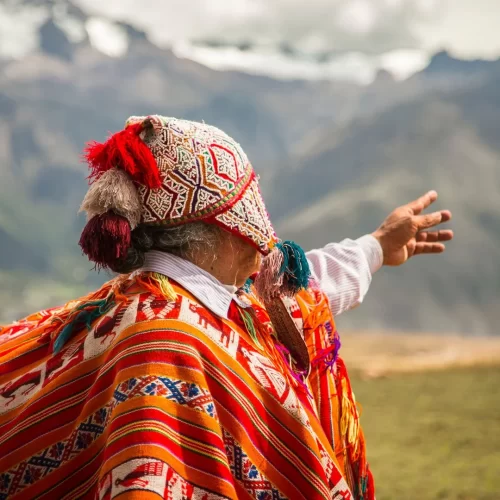
For the modern high-end traveler, luxury is no longer defined solely by opulent gold leafing or butler service; it is defined by depth of experience, ecological sensitivity, and positive social impact. Today, the world’s most discerning explorers seek to align their journeys with their personal values, demanding that their adventures preserve the ecological and cultural heritage of the destinations they visit. In Peru, a country renowned for its delicate ecosystems, ancient archaeological treasures, and vibrant indigenous heritage, this paradigm shift is particularly vital. Exploring the Andes, the Amazon, and the Pacific coastline can now be done in a way that actively protects, restores, and celebrates the local environment and its communities.
Sustainable luxury in Peru represents the harmonious intersection of elite hospitality and conscientious stewardship. It is the realization that a premium vacation does not have to come at the expense of environmental integrity. By choosing eco-certified lodges, supporting community-based tourism, and engaging in carbon-conscious logistics, travelers can experience the very best of Peru while ensuring that future generations can do the same. Responsible exploration allows us to engage with living history without disrupting its delicate, contemporary balance.
At Peruvian Luxe, we believe that high-end travel should act as a powerful force for good. We partner with properties that lead in environmental conservation and cultural preservation, coordinating custom travel plans that support indigenous economies and respect local heritage. Whether you are interested in our 9-Day Magic of Peru Jungle and Machu Picchu Tour, our immersive 8-Day Andean Traditions Tour at Lake Titicaca, or wish to contact our expert travel designers to co-create a bespoke, environmentally conscious itinerary, we are committed to making your journey both extraordinarily premium and deeply responsible.
Defining Sustainable Luxury in the Andean Context
In Peru, sustainability is not a modern marketing trend; it is a foundational philosophy deeply rooted in the ancient Andean world-view. Pre-Columbian societies, particularly the Incas, operated under the concept of Ayni (sacred reciprocity) and revered Pachamama (Mother Earth). They understood that human prosperity was inextricably linked to the health of the earth, the mountains, and the water systems. Modern sustainable luxury in Peru honors this ancient philosophy by integrating low-impact building practices, community empowerment, and biodiversity protection into the fabric of five-star travel experiences.
When we discuss responsible high-end travel in Peru, we focus on three core pillars:
- Environmental Conservation: Protecting fragile ecosystems, including the high-altitude Andean cloud forests, the arid coastal deserts, and the biologically diverse Amazon rainforest. This involves carbon offsetting, water recycling, waste reduction, and organic farming.
- Cultural Preservation: Supporting the continuation of ancient customs, languages, weaving techniques, and agricultural practices. This ensures that indigenous communities retain pride and ownership over their heritage.
- Socio-Economic Reciprocity: Directing tourism revenue to the source by employing local residents, offering fair wages, purchasing local products, and funding educational and health initiatives in rural villages.
By shifting our perspective from passive extraction to active contribution, a luxury trip becomes an investment in Peru’s future. High-end travelers possess the resources to drive this change, choosing stays and operators that turn tourism dollars into conservation victories and community empowerment.
Elite Eco-Lodges & Green Hospitality Leaders
Peru features some of the most remarkable eco-lodges and sustainable luxury hotels in the world. These properties prove that sustainability does not require sacrificing comfort. On the contrary, these eco-conscious retreats offer unparalleled architectural beauty, exceptional service, and organic farm-to-table dining, all while running on renewable energy, managing strict waste recycling, and protecting thousands of acres of wild land.
1. Inkaterra: The Pioneer of Biodiversity and Eco-Luxury
Established in the 1970s long before “ecotourism” became a common term, Inkaterra is a global leader in sustainable development. Their properties in Cusco, the Sacred Valley, and the Amazon are scientifically backed conservation projects in their own right. At Inkaterra Machu Picchu Pueblo Hotel, located in the cloud forest below the citadel, the hotel acts as a sanctuary for 372 species of native orchids, 111 species of butterflies, and the endangered spectacled bear.
Inkaterra operates a non-profit organization (Inkaterra Asociación) that conducts extensive biological research, funded directly by hotel bookings. Guests can enjoy private hikes led by resident biologists, soak in natural outdoor hot tubs, and dine on gourmet organic cuisine, knowing that their stay actively funds the preservation of Peru’s unique biodiversity.
2. Explora Valle Sagrado: Immersive, Low-Impact Exploration
Located on an ancient corn plantation in the Sacred Valley, Explora Valle Sagrado is designed to connect travelers deeply with their surroundings. The lodge operates with a strict commitment to carbon neutrality and minimized physical footprints. Built out of locally sourced wood and stone, the architecture blends seamlessly into the dramatic mountain landscape.
Explora’s philosophy centers on active, guided explorations. They partner directly with local communities to ensure that their treks and cultural visits are highly respectful and economically beneficial to the residents of the valley. Their guides are trained in wilderness first aid and local history, offering travelers a highly sophisticated, educational, and low-impact way to experience the Andes.
3. Tambo del Inka: LEED-Certified Elegance
For travelers seeking five-star resort amenities, Tambo del Inka, a Luxury Collection Resort & Spa in Urubamba, stands as a model of modern green building. It was the first hotel in Peru to receive the prestigious LEED (Leadership in Energy and Environmental Design) certification. The resort features its own advanced water treatment plant, returning purified water back to the Urubamba River, and employs high-efficiency thermal insulation and energy-saving lighting throughout the property.
Guests can explore the hotel’s massive organic vegetable gardens, indulge in spa treatments utilizing local, organic ingredients, and board a private train directly from the hotel’s private station to Machu Picchu, reducing the logistics and environmental impact of private vehicle transfers.
Sustainable Luxury Hospitality Comparison
To help you choose the best properties for your conscious journey, here is a detailed breakdown of Peru’s premier sustainable luxury hotels and their key conservation initiatives.
| Hotel / Lodge | Location | Primary Sustainability Focus | Signature Eco-Luxury Experience |
|---|---|---|---|
| Inkaterra Machu Picchu Pueblo | Aguas Calientes (Machu Picchu) | Biodiversity conservation, spectacled bear rescue center, native orchid restoration. | Guided orchid garden walks and bird watching for rare Andean cock-of-the-rock. |
| Explora Valle Sagrado | Sacred Valley | Carbon neutrality, low-impact wooden architecture, community-led exploration. | High-altitude guided treks followed by organic wine pairings in a restored colonial house. |
| Tambo del Inka | Sacred Valley (Urubamba) | LEED Certification, advanced water treatment, local organic farming. | Private farm-to-table organic lunch in the resort’s riverside gardens. |
| Delfin Amazon Cruises | Pacaya Samiria National Reserve | Rainforest preservation, sustainable local employment, plastic-free operations. | Skiff excursions to spot pink river dolphins, supporting remote Amazonian villages. |
| Belmond Hotel Monasterio | Cusco | Cultural heritage preservation, historic restoration, local art conservation. | Staying in a meticulously restored 16th-century historic national monument. See luxury hotels in Cusco. |
Community-First Luxury: Authentic Cultural Exchanges
True sustainability extends beyond environmental protection — it must empower the human communities who call these destinations home. For decades, rural communities in the Andes and Lake Titicaca have maintained their traditional way of life. Sustainable luxury travelers have the unique opportunity to support these communities directly through respectful, private, and high-impact cultural exchanges.
Instead of superficial, mass-tourism sightseeing, we arrange private, exclusive visits that respect community boundaries and foster genuine understanding. In the Sacred Valley, we take families and couples to the high-altitude weaving community of Chinchero. Here, you will sit with master weavers who have kept ancient, natural-dye techniques alive for centuries. By purchasing textiles directly from these families, travelers provide crucial economic support that preserves their cultural heritage and funds local schools.
At Lake Titicaca, rather than standard boat tours, we arrange private excursions to remote islands like Taquile and Suasi, where you can learn about the intricate textile art of Taquile (recognized by UNESCO). These visits are carefully managed to ensure that tourism revenues are distributed equitably among the island’s families, ensuring their ancient lifestyle remains viable. Consider exploring our 11-Day Wonders of Colca Canyon, Lake Titicaca, and Machu Picchu Tour for a beautifully balanced itinerary that integrates these profound cultural interactions with five-star comfort.
Best Practices for Respectful Cultural Interaction
- Always Ask Before Taking Photos: Respect the privacy of local residents, especially children. Ask your guide to facilitate a polite request.
- Support Local Artisans Directly: Buy high-quality handmade goods directly from the artisans rather than mass-produced souvenirs in urban markets.
- Choose Guided Tours with Local Experts: Working with native guides ensures you receive deep, accurate cultural insights while keeping employment local.
Gourmet Sustainability: The Gastronomy of Preservation
Peru is celebrated worldwide as a top culinary destination. In recent years, its finest restaurants have taken the lead in culinary sustainability, proving that fine dining can be a powerful tool for environmental and agricultural preservation. Led by visionary chefs, upscale dining in Lima and Cusco has transformed into a culinary journey through altitude, history, and biodiversity.
Chef Virgilio Martínez, of the world-renowned restaurant Central in Lima and Mil in the Sacred Valley, has pioneered this movement. Through his research arm, Mater Iniciativa, Martínez and his team travel to remote corners of Peru to discover, document, and study native ingredients. They work directly with high-altitude farming families, introducing rare native potatoes, tubers, and Andean herbs to the global fine dining scene.
Dining at Mil, which overlooks the breathtaking circular ruins of Moray, is a masterclass in conscious gastronomy. The menu is structured strictly around ingredients grown within a few miles of the restaurant, celebrating the agricultural intelligence of the Incas. By dining here, travelers support local farming cooperatives and help preserve ancient crop varieties that are threatened by industrial agriculture. This deep connection to the land and its history is the essence of modern luxury dining. To plan your perfect culinary journey, read our guide on the best time to visit Peru to align your trip with the dry harvest seasons.
Protecting Machu Picchu: Responsible Travel Guidelines
As one of the New Seven Wonders of the World, Machu Picchu faces significant pressure from tourism. Preserving this extraordinary archaeological sanctuary requires everyone to follow strict, responsible travel guidelines. The Peruvian government, in partnership with UNESCO, has implemented several measures to protect the integrity of the site, and luxury travelers can set a positive example by adhering to these regulations carefully.
To travel responsibly to Machu Picchu, consider the following recommendations:
- Strictly Adhere to Designated Circuits: The sanctuary is divided into specific, one-way circuits to distribute the flow of visitors and prevent overcrowding. Stay on the designated stone paths and follow your guide’s instructions at all times.
- Bring a Reusable Water Bottle: Single-use plastic bottles are strictly prohibited within the archaeological site. High-end hotels will gladly provide filtered water stations to refill your insulated flasks.
- Pack Out All Waste: Never leave trash behind. Keep all personal waste in your daypack until you return to Aguas Calientes or your hotel.
- Hire Certified, Local Guides: Engaging a certified local guide is not only a regulatory requirement but also ensures you receive deep, accurate historical context while directly supporting the local professional economy.
- Travel in the Shoulder Season: If your schedule allows, plan your trip during the shoulder seasons (April, May, September, or October) to reduce pressure on the site during peak summer months.
By approaching this sacred site with respect and mindfulness, we ensure that its structural and spiritual beauty remains pristine for generations to come. For more details on traveling comfortably and seamlessly with your family, explore our guide on luxury family travel in Peru.
What is sustainable luxury travel in Peru?
Sustainable luxury travel in Peru refers to experiencing five-star accommodations, elite dining, and private guided services that run on eco-friendly practices, support indigenous communities, and actively invest in ecological and cultural conservation.
How can I offset the carbon footprint of my flight to Peru?
We partner with verified carbon offset programs to calculate and mitigate the emissions of your flights. Many luxury eco-lodges in Peru, such as Explora, are certified carbon-neutral and implement offset initiatives on-site.
Which luxury hotels in Peru have the best eco-certifications?
Tambo del Inka is a LEED-certified luxury resort, while Inkaterra hotels hold prestigious Green Globe and Rainforest Alliance certifications for their extensive scientific conservation work in the Andes and Amazon.
How does luxury tourism benefit local communities in the Andes?
Responsible high-end travel supports local communities by paying fair wages to guides and staff, funding rural schools, purchasing organic local produce, and promoting direct, ethical trade with indigenous artisans.
Are single-use plastics allowed at Machu Picchu?
No, single-use plastic bottles, bags, and straws are strictly prohibited at Machu Picchu. Travelers are required to bring reusable, insulated metal or BPA-free bottles, which can be refilled at their luxury hotels.
What is community-based tourism in Peru?
It is an ethical travel model where local indigenous communities host and guide travelers, ensuring they retain full ownership and economic benefit from their tourism services, preserving their cultural heritage in the process.
Can I book a sustainable luxury cruise in the Peruvian Amazon?
Yes, operators like Delfin Amazon Cruises run high-end, low-impact vessels featuring water treatment systems, energy-efficient engines, and close partnerships with local river communities inside the Pacaya Samiria Reserve.
What makes Peru's fine dining scene sustainable?
Renowned restaurants like Central and Mil focus on agricultural preservation, working directly with high-altitude farming cooperatives to source native ingredients, preserving ancient crop varieties, and supporting rural economies.
How does Peruvian Luxe ensure a trip is environmentally friendly?
We carefully select eco-certified hotels, prioritize fuel-efficient private transport, coordinate low-impact outdoor activities, and integrate meaningful, direct support for native conservation and community projects.
When is the best time to visit Peru for an eco-friendly trip?
The dry shoulder seasons (May and September) offer pleasant weather, fewer crowds, and lower physical impact on historical paths, making it the perfect time for a highly responsible, high-end travel experience.
Embarking on a sustainable luxury journey in Peru is an invitation to explore the wonders of the Andes and the Amazon with purpose, elegance, and peace of mind. By partnering with the country’s leading conservation hotels, choosing low-impact private logistics, and supporting local indigenous economies, your trip becomes a positive investment in the future of Peru’s ancient culture and delicate ecosystems.
Whether you dream of watching the mist rise over Machu Picchu, learning ancient textile arts from master weavers at Lake Titicaca, or exploring the rich canopy of the Amazon from a world-class canopy bridge, we will curate every detail of your journey with meticulous care, prioritizing both your ultimate comfort and the health of the destination.
Contact Peruvian Luxe today to start planning your bespoke, responsible luxury Peru vacation. You can also connect with our travel designers directly on WhatsApp at +51 917 078 725. We are available seven days a week to design a journey that is as meaningful as it is extraordinary.