Contact us
Peru is an iconic destination for hiking enthusiasts. If you’re dreaming of reaching the majestic Machu Picchu on foot, you’ve probably already compared Salkantay vs Inca Trail. Both routes are spectacular, but they offer very different experiences: one focuses on diverse nature and high-mountain adventure, while the other emphasizes Inca heritage and ancient pathways. In this complete guide by Peruvian Luxe (Cusco, Peru), we’ll clearly explain the key differences, the real difficulty, the climate, the landscapes, permits, and who each option is best for. By the end, you’ll know exactly which trek suits your travel style.
Quick Summary: Key Differences
- Focus: Salkantay focuses on diverse nature (glaciers, lakes, cloud forest). Inca Trail focuses on archaeological sites and original stone paths.
- Difficulty: Salkantay is longer and reaches a higher altitude; Inca Trail is shorter with steep climbs over Inca stairs.
- Availability: Inca Trail requires an official permit (limited spots); Salkantay is more flexible with dates.
- Price: Generally, Salkantay is more affordable; Inca Trail can be more expensive due to permit demand.
- Iconic Views: Salkantay features the Humantay Lake and Salkantay Pass; Inca Trail’s entrance through Inti Punku (Sun Gate) is unforgettable.
What is the Salkantay Trek?
The Salkantay Trek is the ultimate natural alternative to the Inca Trail. It crosses contrasting ecosystems: snow-capped mountains like Salkantay (6,271 m), glacial lakes, Andean valleys, and finally the cloud forest leading to Aguas Calientes. The classic version lasts 5 days (approx. 74 km) with the highest point at Salkantay Pass (4,600 m). It’s perfect for those seeking less crowding, an intense connection with nature, and an authentic expedition feel. There’s also the Salkantay Trek 4 Days and the Salkantay Trek 5 Days, popular options that adjust the schedule without losing the key highlights.
What is the Inca Trail?
The Inca Trail is one of the most famous trekking routes in the world. It connects the Sacred Valley to Machu Picchu via pre-Hispanic stone paths and passes through archaeological sites like Runkurakay, Sayacmarca, and Wiñay Wayna. The classic version lasts 4 days (42 km), with the highest point at Warmiwañusca Pass (4,215 m). Its magic lies in walking the same paths used by the Incas and entering Machu Picchu through Inti Punku. In addition to the Classic Inca Trail, there are the Short Inca Trail (2 days) and the Premium Inca Trail (higher comfort service).
Real Difficulty: Which is More Demanding?
Both routes require good physical condition and acclimatization, but the consensus is that Salkantay is more challenging due to its length, altitude, and variety of terrains. The Inca Trail also challenges with constant ascents and stairs, though it’s shorter. If you’re motivated by a sustained physical challenge and changing landscapes, Salkantay will captivate you; if you prefer fewer kilometers with a cultural focus, the Inca Trail is perfect for you.
Comparison Table: Salkantay vs Inca Trail
| Factor | Salkantay Trek | Inca Trail |
|---|---|---|
| Total Distance | ~74 km (longer) | ~42 km |
| Maximum Altitude | 4,600 m (Salkantay Pass) | 4,215 m (Warmiwañusca) |
| Terrain | High mountain, valley, cloud forest | Original Inca trail with stone stairs |
| Focus | Nature lovers, lakes, glaciers | Archaeology, Inca culture |
| Permits | No restricted permits | Very limited official permits |
| Price | Generally more affordable | Higher due to permit demand |
| Arrival at Machu Picchu | Via Aguas Calientes (train/bus) | Entrance through Inti Punku (Sun Gate) |
Altitude and Acclimatization
- Salkantay: maximum altitude of 4,600 m at Salkantay Pass; it’s recommended to arrive in Cusco 2-3 days in advance to acclimate.
- Inca Trail: maximum point of 4,215 m at Warmiwañusca; it’s also advisable to acclimate in Cusco or the Sacred Valley.
Peruvian Luxe Tip: Stay well-hydrated, avoid heavy meals in the first few days, and consider coca leaves or traditional infusions to alleviate altitude sickness.
Landscapes: What Will You See on Each Route?
Salkantay Views
The main appeal is the combination of glaciers (Salkantay, Humantay), the Humantay Lake with its intense turquoise color, the high mountain pass, and the transition to cloud forest with orchids and Andean birds. It’s a photogenic, wild route with fewer tourists compared to the Inca Trail.
Inca Trail Views
Here, the archaeological sites shine, framed by terraces, tunnels, and natural viewpoints. The arrival at Inti Punku with a frontal view of Machu Picchu is an epic moment. Highlights include Runkurakay, Sayacmarca, Phuyupatamarca, and Wiñay Wayna, each with its own history and function in the Inca road system (Qhapaq Ñan).
Climate and Best Time to Go
- Dry season (May–October): clear skies, cold nights at high altitude. The best time for visibility and stable terrain.
- Rainy season (November–April): lush landscapes, more rainfall. The Inca Trail typically closes in February for maintenance.
In Salkantay, the climate changes significantly between the high pass (cold, windy) and the high jungle (warm and humid). In the Inca Trail, although there is also variation, temperatures are generally more stable in comparison. Bring thermal layers, a rain jacket, and good footwear.
Accommodations and Services Along the Route
On Salkantay
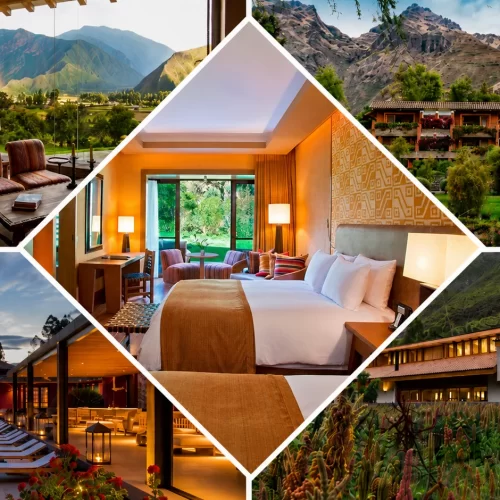
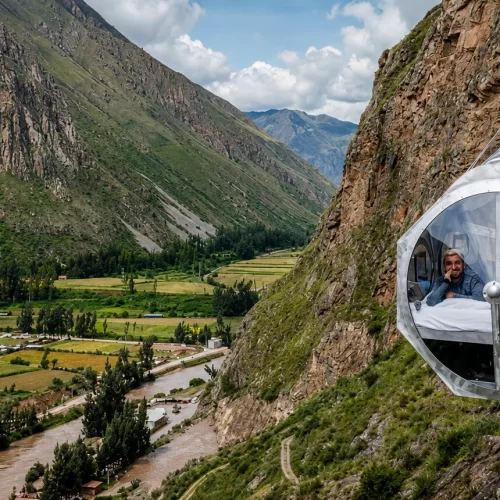
Most accommodations are campsites, and depending on the program, there are ecolodges or domes at strategic points. The last night is spent in Aguas Calientes. The Salkantay Trek 4 Days and Salkantay Trek 5 Days versions may include different types of accommodation based on budget.
On the Inca Trail
Overnight stays are in designated campsites with official logistics (tents, dining areas, restrooms at specific points). On the Premium Inca Trail, there are comfort upgrades (superior mattresses, gourmet meals, more personalized service) while maintaining the essence of the trek.
Permits, Slots, and Reservations
For the Inca Trail (Classic and Short), permits are mandatory and have limited availability. They sell out months in advance during peak season. It’s crucial to book in advance. For Salkantay, there are no such restrictions, so dates are more flexible, ideal if you’re planning your trip last minute.
Approximate Costs
- Salkantay: tends to be more affordable due to the absence of official permits and variable logistics.
- Inca Trail: higher price due to high demand and the management of permits, controls, and official campsites.
In both cases, the final price depends on the season, group size, and service level (Classic vs. Premium).
Which Route is Right for You?
Choose Salkantay if…
- You’re looking for diverse nature, high mountain passes, and fewer crowds.
- You want a slightly greater physical challenge, and the Humantay Lake is a must-see.
- You need flexibility with dates or are planning your trip with little notice.
Choose Inca Trail if…
- You’re drawn to Inca history and want to walk the original path.
- You dream of entering Machu Picchu through Inti Punku at sunrise.
- You don’t mind booking well in advance and paying a bit more for the permit.
Popular Variants and Durations
- Salkantay Trek 5 Days: Classic version with all the highlights (Humantay Lake, Salkantay Pass, cloud forest, Aguas Calientes).
- Salkantay Trek 4 Days: Optimized itinerary for those with less time, keeping the essentials.
- Classic Inca Trail (4 days): Full experience with ruins and entrance through Sun Gate.
- Short Inca Trail (2 days): Ideal for those with limited time or wanting to combine with the Sacred Valley.
- Premium Inca Trail: Same route, with superior services and greater comfort without losing the essence.
Preparation and Recommended Gear
For both routes, train with walks that include elevation changes, use well-broken-in trekking boots, and practice with your backpack. Essential items: windproof waterproof jacket, thermal layers, sunscreen, hat, UV glasses, trekking poles (with rubber tips), hydration, personal first aid kit, and energy snacks. On Salkantay, nights at high altitudes can be colder, so include a suitable sleeping bag.
Responsible Tourism
At Peruvian Luxe, we promote positive impact. We walk on marked trails, manage waste responsibly, respect archaeological heritage, and support local communities. Your choice—whether Salkantay or Inca Trail—can become a transformative experience that respects the Andes.
Frequently Asked Questions
Which is harder: Salkantay or Inca Trail?
In general, Salkantay is more demanding due to altitude and distance, while the Inca Trail focuses the challenge on steep ascents over stairs and mountain passes.
Do I need permits?
The Inca Trail requires an official permit and spots sell out quickly. On Salkantay, there are no such restrictions, so availability is easier to find.
Will I get to Machu Picchu on foot?
On the Inca Trail, you enter through Inti Punku. On Salkantay, you reach Aguas Calientes and then take the bus or hike to Machu Picchu the next day.
Conclusion: Salkantay vs Inca Trail
If you prioritize natural adventure, diverse landscapes, and flexible dates, choose Salkantay. If your dream is to walk the original Inca path, visit ruins along the way, and enter Machu Picchu through the Sun Gate, the Inca Trail is for you. Either way, you’ll have an unforgettable experience in the Peruvian Andes. And remember: this guide focuses on Salkantay vs Inca Trail to help you decide, but our team can tailor your trip with options like Salkantay Trek 4 Days, Salkantay Trek 5 Days, Short Inca Trail, Classic Inca Trail, and Premium Inca Trail.
Book with Peruvian Luxe
Ready for your adventure? At Peruvian Luxe, we design safe, responsible, and exciting experiences. Contact us via WhatsApp +51 905 962 170 or visit www.peruvianluxe.com. We’ll help you choose between Salkantay vs Inca Trail, adjust the itinerary to your time and style, and take care of all the details so you can focus on enjoying.